


- Optical Transceivers
- SFP+ Transceivers
- XENPAK Transceivers
- XFP Transceivers
- X2 Transceivers
- SFP Transceivers
- Compatible SFP
- 3Com SFP
- Alcatel-Lucent SFP
- Allied Telesis SFP
- Avaya SFP
- Brocade SFP
- Cisco SFP
- D-Link SFP
- Dell SFP
- Enterasys SFP
- Extreme SFP
- Force10 SFP
- Foundry SFP
- H3C SFP
- HP SFP
- Huawei SFP
- Intel SFP
- Juniper SFP
- Linksys SFP
- Marconi SFP
- McAfee SFP
- Netgear SFP
- Nortel SFP
- Planet SFP
- Q-logic SFP
- Redback SFP
- SMC SFP
- SUN SFP
- TRENDnet SFP
- ZYXEL SFP
- Other SFP
- FE SFP
- GE SFP
- OC3 SFP
- OC12 SFP
- OC48 SFP
- Copper SFP
- CWDM SFP
- DWDM SFP
- BIDI SFP
- Fiber Channel SFP
- Multi-Rate SFP
- SGMII SFP
- Compatible SFP
- GBIC Transceivers
- Passive Components
- Networking
- Cables
- Equipments
- Tools
- Special Offers
Brands




























Industry News

Fiber Optic Wiki

PCI Express
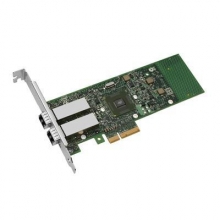
PCI Express (Peripheral Component Interconnect Express), officially abbreviated as PCIe, is a computer expansion card standard designed to replace the older PCI, PCI-X, and AGP bus standards. PCIe has numerous improvements over the aforementioned bus standards, including higher maximum system bus throughput, lower I/O pin count and smaller physical footprint, better performance-scaling for bus devices, a more detailed error detection and reporting mechanism, and native hot plug functionality. More recent revisions of the PCIe standard support hardware I/O virtualization.
The PCIe electrical interface is also used in a variety of other standards, most notably ExpressCard, a laptop expansion card interface.
Format specifications are maintained and developed by the PCI-SIG (PCI Special Interest Group), a group of more than 900 companies that also maintain the Conventional PCI specifications. PCIe 3.0 is the latest standard for expansion cards that is available on mainstream personal computers.
Applications
PCI Express is used in consumer, server, and industrial applications, as a motherboard-level interconnect (to link motherboard-mounted peripherals), a passive backplane interconnect and as an expansion card interface for add-in boards.
In virtually all modern PCs, from consumer laptops and desktops to enterprise data servers, the PCIe bus serves as the primary motherboard-level interconnect, connecting the host system processor with both integrated-peripherals (surface mounted ICs) and add-on peripherals (expansion cards.) In most of these systems, the PCIe bus co-exists with 1 or more legacy PCI busses, for backward compatibility with the large body of legacy PCI peripherals.
August 9, 2011
Featured


Bestsellers


Registered Names and Trademarks are the copyright and property of their respective owners.
Copyright © 2026 Fiberise(A company of Cablexa Ltd). All rights reserved.
Copyright © 2026 Fiberise(A company of Cablexa Ltd). All rights reserved.
